WEB3 Glossary
 Blockchain (agendadigitale.eu)
Blockchain Simply put, a blockchain is a special kind of digital database (ledger). Now imagine a network of incorruptible digital ledgers of economic transactions that can be programmed to record and track not only financial transactions but also virtually everything of value. Blockchain establishes trust, accountability, and transparency.
Cryptocurrency Cryptocurrency is a digital asset or currency, such as Bitcoin, ETH, or SOL, that uses the blockchain to function.
Bitcoin
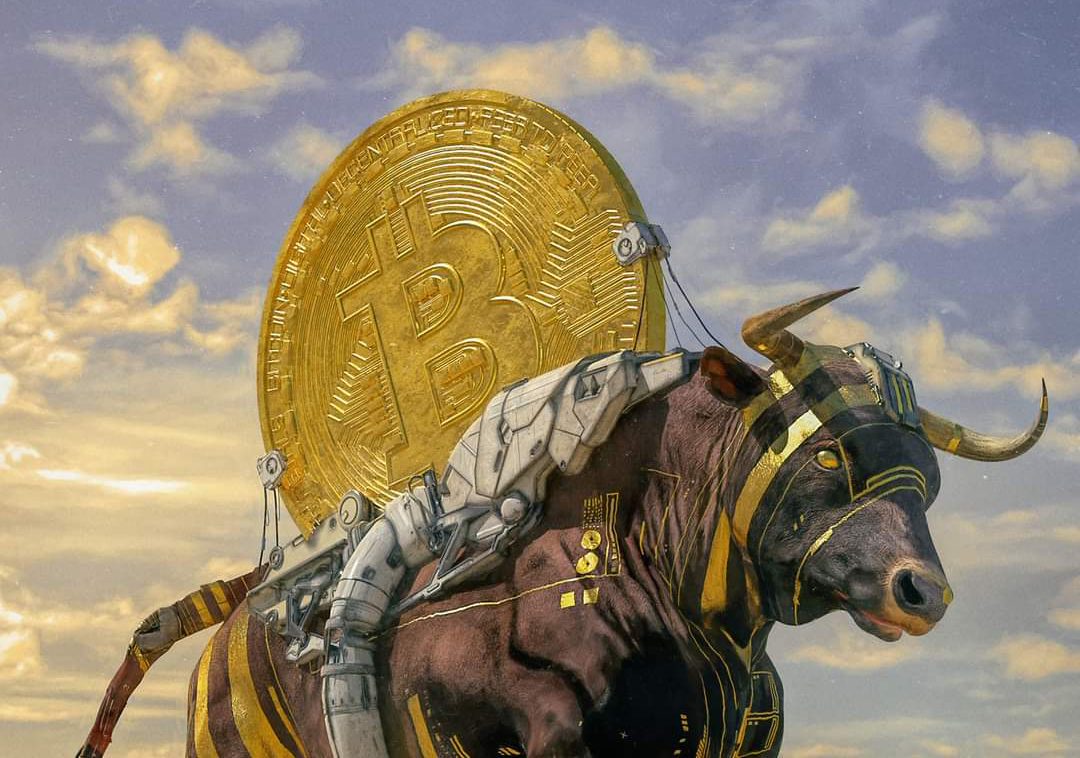 “BullRun”, 2020, by Beeple NFT artist
Bitcoin is the first decentralized digital currency created in 2009 by an anonymous entity known as Satoshi Nakamoto. It operates without a central bank or administrator, using peer-to-peer technology and a public, distributed ledger (blockchain) to secure, verify, and record transactions. Some of its key features are: privacy, decentralized network, immutable ledger, limited supply, transaction validation, digital nature. Bitcoin uses the consensus mechanism Proof-ofWork (PoW) to secure the network, validating transactions and creating new blocks. Miners are crucial for the POW.
 “Satoshi Nakamoto statue”, 2024, by Valentina Picozzi ~ Satoshigallery
Ethereum and Solana
 “Into the Ether”, 2020, by Beeple NFT artist
Ethereum (ETH), conceived by Vitalik Buterin in 2013 and launched in 2015, revolutionized blockchain technology by introducing smart contracts, enabling decentralized applications (dApps) beyond simple currency. Buterin envisioned a “world computer” that could run any application, not just facilitate money transfers. Ethereum is based on the energy-saving Proof-of-Stake (PoS) mechanism and powers DeFi, NFTs (e.g. art), and decentralized autonomous organizations (DAOs).
Solana (SOL) was launched in 2020, and relies on Proof-of-History (PoH) and PoS mechanisms, allowing for fast, low-cost operations.
NFTs
 “Nyan Cat”, 2011-2021, by Chris Torres artist
An Non-Fungible Token is a unique digital asset representing ownership of a specific, non-interchangeable item—such as art, music, or collectibles—stored on a blockchain.
Phygitals
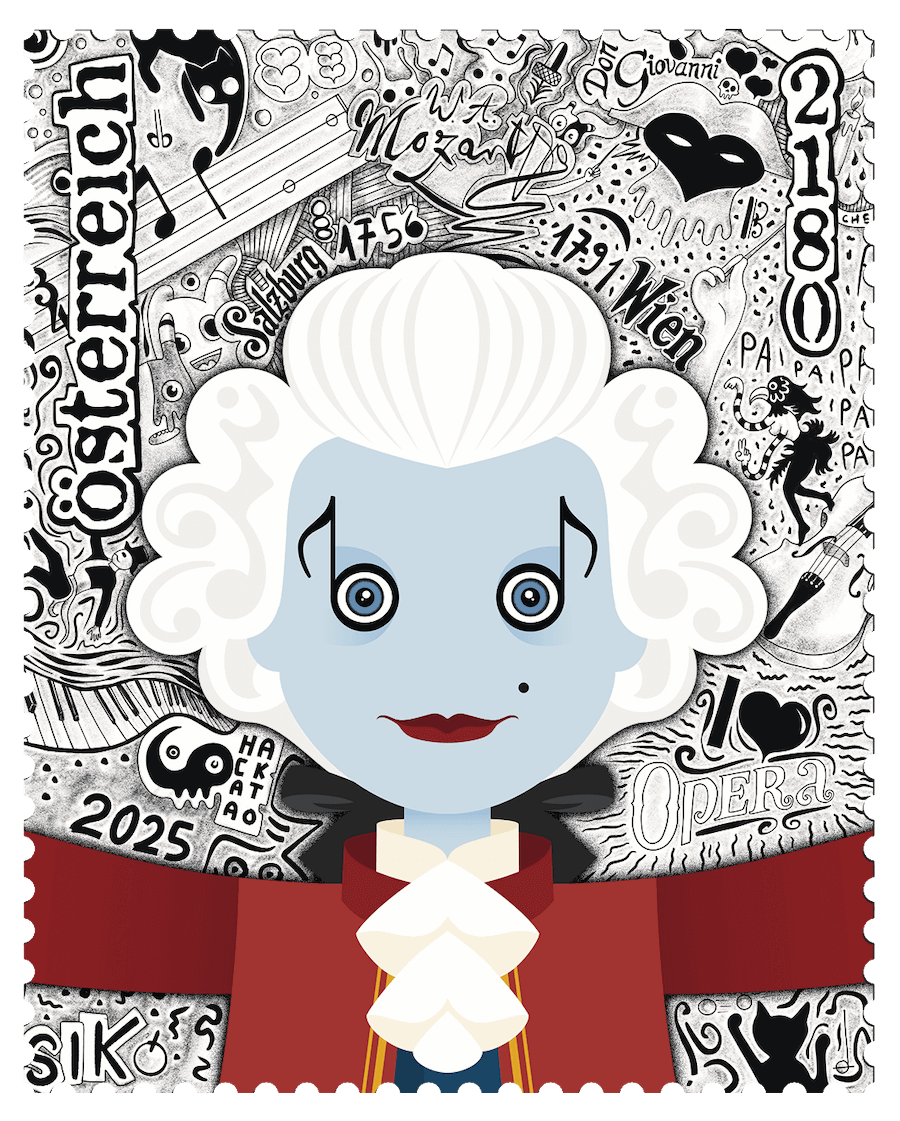 “CRYPTO STAMP ART – CREATIVE MINDS”, 2025, by Hackatao
Phygital NFTs combine physical, tangible items with digital, blockchain-based tokens (NFTs).
Minting NFT minting is the process of publishing a digital file (art, music, video, etc.) onto a blockchain to make it a unique, tradeable, and verifiable digital asset.
DAO A DAO is a blockchain-based entity governed by code, allowing for decentralized, transparent, and collective decision-making. Members own governance tokens to vote on proposals, enabling “crypto-cooperatives” that operate securely and autonomously on networks like ETH.
DeFi Decentralized Finance (DeFi) is a blockchain-based, peer-to-peer financial system that removes intermediaries like banks, using smart contracts on platforms like ETH to enable lending, borrowing, and trading directly.
WEB generations
 WEB generations (neting.it)
Web 3.0 (Future): Read-Write-Own (decentralized, blockchain-based); Web 2.0 (2004-Present): Read-Write (social media, platforms, interactive); Web 1.0 (1990-2004): Read-only (static web pages, websites).